
Understanding Your Digital Wellbeing Starting Point
Technology is woven into the fabric of life in the AE region. From connecting with loved ones on WhatsApp to navigating professional demands, its presence is constant. Finding a healthy balance with technology is essential for our digital wellbeing – our overall health in the digital sphere. This section will help you evaluate your current relationship with technology, highlighting both the positives and negatives.

Identifying Your Digital Triggers and Patterns
Understanding your digital wellbeing begins with recognizing your personal digital triggers. These are the cues that prompt you to instinctively reach for your device. Triggers can be emotional, such as boredom or stress; situational, like waiting in line or commuting; or even tied to specific notifications.
Recognizing usage patterns is also important. Do you find yourself scrolling endlessly through social media late at night? Do certain apps drain your energy instead of boosting it?
For example, if you habitually reach for your phone during work breaks, consider the underlying need. Are you genuinely seeking connection, or are you avoiding a difficult task? This awareness is the first step toward healthier digital habits.
Cultural Influences on Tech Use in the AE Region
Cultural factors also influence our relationship with technology. In the AE region, close family ties often lead to constant communication via platforms like WhatsApp. Professional connectivity is often expected around the clock as well.
While valuable, these cultural norms can contribute to digital overload if not managed carefully. However, increased digital adoption across the region also offers opportunities for positive change. In North Africa, countries like Tunisia, Morocco, and Egypt are experiencing significant growth in internet and social media use, with platforms playing a key role in sharing health information. This can enhance digital wellbeing by broadening access to resources and support. This data underscores the dynamic nature of the digital landscape and its implications for wellbeing in the region.
Assessing Your Current Digital Habits
Assessing your digital habits is not about judgment. It's about understanding your current state. Consider how technology impacts your sleep, focus, productivity, and relationships. Do you feel in control of your technology use, or does it control you?
This self-reflection will empower you to proactively cultivate a healthier, more fulfilling relationship with the digital world. By recognizing your current digital habits, you establish a foundation for a more balanced and intentional approach to technology, setting the stage for a positive digital wellbeing journey.
Building Trust in Your Digital Wellbeing Journey
Trust is the cornerstone of digital wellbeing. It goes beyond simply having strong security settings; it's about feeling confident in the digital tools and platforms you choose, knowing they align with your wellbeing objectives. This is particularly relevant in the Africa and Middle East (AE) region, where digital privacy concerns significantly influence how people interact with health platforms and wellness apps.
Evaluating Digital Wellness Tools
How can you identify trustworthy digital tools? Start by carefully examining the app's privacy policy. Does it clearly articulate how your data is collected, used, and shared? Look for endorsements or certifications from reputable organizations. For example, a certification from a recognized cybersecurity body can provide greater assurance. Furthermore, user reviews offer valuable insights into the experiences of others.
Recognizing Red Flags and Verifying Credibility
Spotting red flags is equally important. Be cautious of apps that request excessive permissions or lack transparent contact information. Research the platform's developers thoroughly. Do they have a demonstrated history in digital health? How do they handle user feedback and address concerns? This due diligence helps identify platforms genuinely committed to user privacy and wellbeing.
Prioritizing Privacy Settings for Mental Health
Your privacy settings are crucial to your mental health journey. Customize your notification settings to minimize distractions and prevent feeling overwhelmed. Control which apps can access sensitive data like your location and contacts. Remember, you have the power to protect your digital space and choose what information you share. This sense of control is key to fostering a positive and supportive digital environment.
The role of digital wellbeing in the Middle East and Africa is intertwined with the region's increasing focus on digital trust. A PwC report highlights that 55% of Middle Eastern organizations prioritize mitigating digital and technology risks. This emphasis on digital trust is fundamental to promoting digital wellbeing, ensuring that digital health services are both secure and dependable. As the region embraces digital health solutions, trust becomes essential for encouraging adoption and ensuring these tools positively impact wellbeing. Building trust in your digital journey means making informed choices about the tools you integrate into your life, creating a more balanced and beneficial relationship with technology.
Choosing Digital Health Coaching That Actually Works
Finding the right digital health coaching solution requires careful consideration. Not all platforms are created equal, and what works for one person might not work for another. You need to evaluate coaching apps and platforms based on your individual needs, cultural context, and overall wellness goals. This section will guide you through the process of finding a digital health coaching program that aligns with your aspirations.
Evaluating Coaching Apps Based on Your Needs
When exploring digital health coaching options, start by considering your specific circumstances and preferences. What are your primary wellness goals? Are you looking to improve your fitness, manage stress, or adopt healthier eating habits? Do you prefer structured programs or a more flexible approach? Some apps focus on mindfulness and stress reduction, while others specialize in fitness or nutrition.
Also, keep in mind your cultural preferences. Some apps may be more attuned to the cultural norms and values of the AE region. This cultural sensitivity can make a big difference in how relevant and effective the coaching is for you. Choosing a platform that resonates with your individual needs, preferences, and cultural context is essential.
Essential Features and Warning Signs
Effective digital health coaching platforms provide personalized guidance. Look for features such as progress tracking, goal setting tools, and opportunities for interaction with coaches or other users. These interactive elements can offer valuable support and motivation. Consider how well the app integrates with the tech landscape of the AE region, with its unique digital adoption patterns and access considerations.
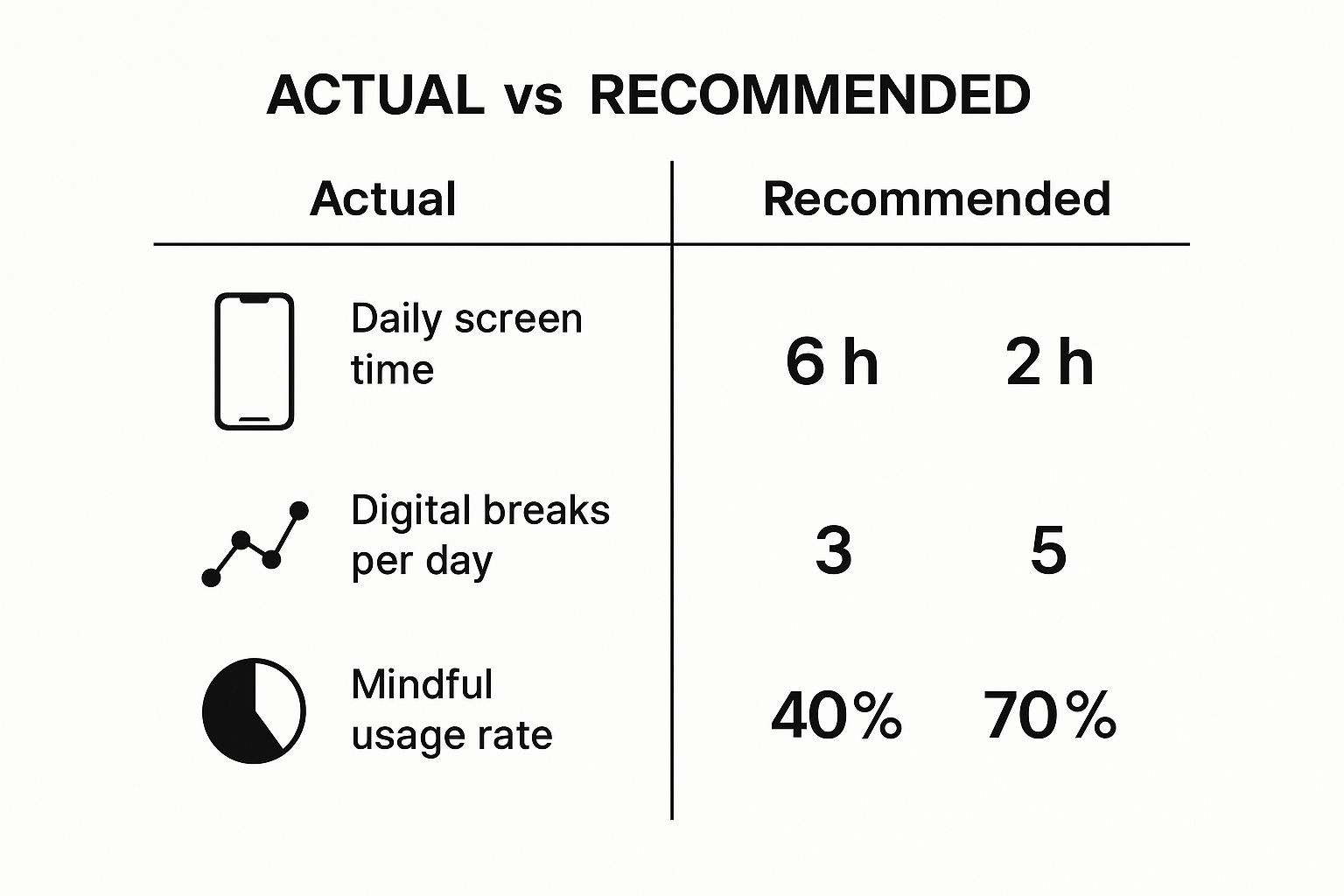
The infographic above highlights the gap between our actual digital habits and recommended practices across screen time, daily breaks, and mindful usage. It underscores the need for effective coaching programs that address these critical areas and help us achieve a healthier balance with technology.
Be wary of programs that promise unrealistic results or rely on generic advice. Personalized coaching that adapts to your lifestyle is key for long-term success. This is especially important in the AE region, where access to traditional healthcare can vary. The digital health coaching market in the Middle East and Africa is expected to grow at a CAGR of 12.9% from 2025 to 2030, reflecting the growing demand for accessible, personalized health guidance.
Maximizing Your Investment in Digital Wellness
To get the most out of your chosen platform, actively engage with it. Utilize all available resources, participate in community forums (if offered), and maintain consistent communication with your coach (if applicable).
To understand the advantages of digital health coaching, let's compare it with traditional wellness approaches. The following table summarizes the key differences and similarities between digital health coaching and traditional wellness methods.
| Aspect | Digital Health Coaching | Traditional Methods | Key Benefits |
|---|---|---|---|
| Accessibility | Convenient, anytime, anywhere access | Often requires appointments and travel | Increased convenience and flexibility |
| Personalization | Tailored programs and feedback | May offer generalized advice | More relevant and effective guidance |
| Cost | Typically more affordable | Can be expensive | Greater value for your investment |
| Support | Online communities and coach interaction | Limited interaction outside of sessions | Enhanced motivation and accountability |
| Tracking | Data-driven progress monitoring | May rely on self-reporting | Objective measurement of progress |
This comparison highlights the benefits of digital health coaching in providing personalized guidance and flexible access, which is especially valuable in areas with limited access to traditional healthcare.
By combining careful evaluation with active participation, you can unlock the full potential of digital health coaching and develop a healthier relationship with technology.
Mastering Digital Detox Without Going Extreme
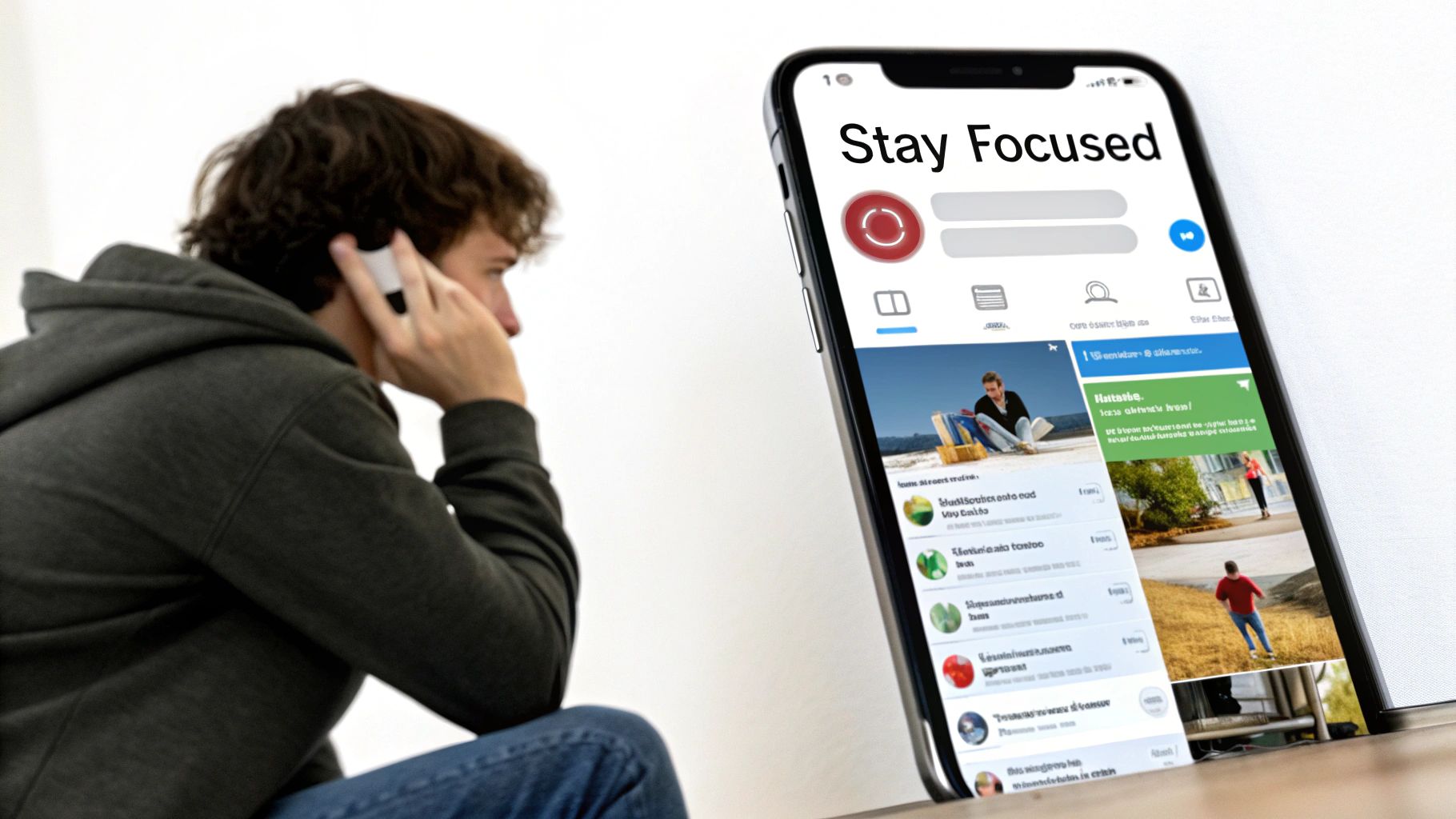
True digital wellbeing isn't about giving up technology entirely. It's about building a healthy, sustainable relationship with our devices. This means discovering what works best for you, not striving for difficult-to-maintain extreme digital detoxes. This section explores practical and balanced approaches to digital wellbeing, tailored for the realities of busy professionals, parents, and students in the AE region.
Creating Tech-Free Zones and Boundaries
One effective strategy involves establishing tech-free zones within your home. Consider designating areas like the dining table or bedroom as spaces where devices are discouraged. This allows you to reclaim physical spaces and dedicate them to genuine connection and relaxation, fostering mindfulness and presence.
Setting clear boundaries around technology use is also key. Implementing simple rules, like "no phones at dinner," or scheduling specific times for checking work emails, can be highly impactful. Creating this mental space away from the constant digital buzz is especially important in the AE region, where professional life often extends beyond traditional working hours.
Mindful Scrolling and Managing Notifications
Developing mindful scrolling habits is another important element of digital wellbeing. Rather than passively consuming endless online content, actively choose what you engage with. Ask yourself: "Is this adding value to my life?" If not, consider unfollowing or muting accounts that contribute to feelings of negativity or overwhelm.
Notification fatigue is a common struggle. Take control by disabling non-essential alerts and setting specific times for checking messages. This minimizes distractions and helps you regain focus. Small, consistent changes like these can significantly reduce digital stress.
Practical Digital Detox Plans and Strategies
For those seeking a more structured approach, a weekend digital detox can provide a valuable reset. This doesn't necessitate going completely offline, but rather consciously reducing screen time and prioritizing activities that promote real-world connections and relaxation. Engaging in hobbies, spending time outdoors, or simply enjoying quality time with loved ones can be incredibly restorative.
Maintaining work-life digital boundaries is especially important in the fast-paced professional environment of the AE region. Set clear expectations with colleagues regarding your availability outside of work hours. Utilizing features like "Do Not Disturb" can help create dedicated time for yourself and your family.
By incorporating these strategies, you'll discover that small, consistent adjustments can have a significant positive effect on your digital wellbeing. These practices can contribute to improved sleep, enhanced focus, and a greater sense of overall life satisfaction, empowering you to manage your digital habits and foster a healthier, more balanced relationship with technology.
Conquering Information Overload and Digital Stress
The constant flow of information from our devices can feel overwhelming. Every notification demands attention, and social media feeds never seem to end. This constant connectivity can lead to digital stress, impacting our mental clarity, productivity, and even our decision-making. This section offers practical strategies for managing this digital influx and reclaiming your focus.
Filtering Digital Content and Managing News Anxiety
One key to managing information overload is being selective about the content you consume. Think of your digital intake as a diet: too much junk food leads to health problems, just as irrelevant information leads to mental fatigue. Develop a digital declutter routine. Unsubscribe from unwanted email lists, unfollow negative social media accounts, and mute distracting app notifications.
The 24/7 news cycle can also contribute to anxiety. Limit your exposure to news sources known for sensationalism. Choose reputable outlets that prioritize factual reporting and avoid constant updates. Staying informed doesn't require constant immersion in the news.
Avoiding Social Media Comparison Traps
Social media often presents a curated, idealized version of reality. Constant exposure to these "highlight reels" can fuel social comparison and lead to feelings of inadequacy. Be mindful of the accounts you follow and remember that online portrayals aren't always the whole picture.
Focusing on your own progress and achievements, rather than comparing yourself to others, is crucial for maintaining a healthy sense of self-worth. Remember, your worth isn't measured by likes or followers.
Organizing Digital Information and Reducing Cognitive Load
Our brains aren't designed to process the sheer volume of online information. This cognitive overload can lead to stress, reduced productivity, and difficulty making decisions. Implementing effective digital organization strategies can help.
Use productivity apps like Trello or Asana to manage tasks, create folders to organize emails, and use cloud storage services like Google Drive or Dropbox to keep important documents accessible. A well-organized digital environment reduces mental clutter and improves clarity.
To further understand the connection between digital stress symptoms and effective solutions, consider the following table. This table highlights common signs of digital overwhelm and corresponding evidence-based solutions.
| Symptom | Description | Immediate Solution | Long-term Strategy |
|---|---|---|---|
| Difficulty Focusing | Inability to concentrate on tasks due to constant distractions | Turn off notifications, create a dedicated workspace | Schedule specific times for checking emails and social media |
| Feeling Overwhelmed | Sense of being constantly bombarded with information | Take a digital break, practice deep breathing | Declutter digital spaces, unsubscribe from unnecessary emails |
| Sleep Disturbances | Trouble falling asleep or staying asleep due to screen time | Avoid screens before bed, create a relaxing bedtime routine | Establish tech-free zones in the bedroom |
| Irritability and Anxiety | Increased stress and emotional reactivity related to digital use | Limit exposure to negative news, practice mindfulness | Prioritize real-world connections, engage in relaxing activities |
This table summarizes some key symptoms and solutions for managing digital stress. Focusing on long-term strategies will help build a healthier relationship with technology.
By implementing these strategies, you can reclaim control over your digital life. Learn to stay informed without feeling overwhelmed, connect authentically, and protect your mental energy. This empowers you to cultivate a more positive and balanced relationship with technology, improving your overall well-being and fostering a sense of calm amidst the digital noise.
Building Digital Wellbeing Habits That Stick
The key to lasting digital wellbeing is establishing sustainable habits. This means going beyond quick fixes and integrating practices that fit seamlessly into your everyday life, even with the demands of busy schedules and cultural norms in the AE region. This section will guide you in building personalized digital wellness routines that truly last.
Creating Personalized Digital Wellness Routines
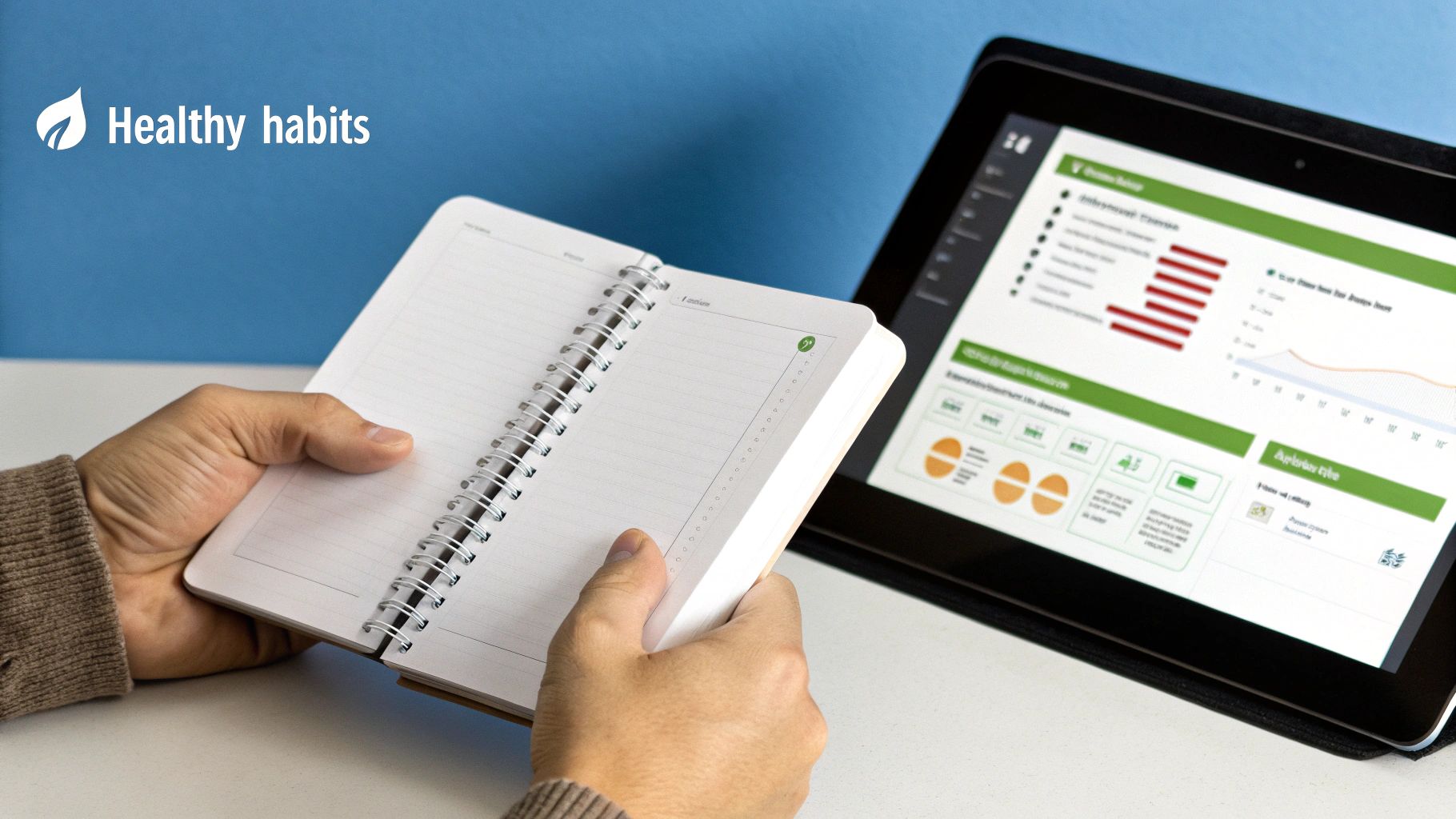
Building a personalized digital wellness routine starts with understanding yourself. Think about your current digital habits and pinpoint areas for improvement. You might want to curb late-night scrolling, be more present with family, or simply feel less attached to your devices.
Once you understand your goals, start small. Don't try to change everything at once. Focus on making gradual adjustments. For example, to reduce social media use, begin by setting a daily time limit for just one platform. This makes the change less overwhelming and easier to manage.
Using Habit Formation Strategies
Behavioral psychology provides helpful insights into forming habits. The habit loop involves a cue, a routine, and a reward. By understanding this loop, you can consciously reshape your digital habits. If checking social media first thing upon waking up (the cue) is your routine, the reward might be feeling connected. But this can also lead to distractions throughout the day.
To change this, swap the routine with something healthier, like reading or enjoying a quiet cup of coffee. The cue (waking up) stays the same, but the routine and reward now align with your digital wellbeing goals.
Maintaining Balance Through Life's Changes
Life in the AE region is often fast-paced, with travel, busy schedules, and shifting responsibilities. Maintaining digital wellbeing during these times requires adaptability. Your routine should fit your life, not the other way around.
For example, if you're traveling and using your phone more for navigation and communication, consciously incorporate other digital wellbeing practices. You could schedule specific times for checking social media or have tech-free evenings.
Involving Family and Friends in Your Journey
A supportive environment is essential for long-term digital wellbeing. Discuss your goals with your family and friends. Explain how they can help you stay on track. This creates a sense of shared responsibility for healthy technology use.
You might establish weekly family tech-free time or encourage each other to do more offline activities. This shared commitment promotes mindful technology use and creates a more balanced and fulfilling lifestyle for everyone. Regular digital wellness check-ins can help you assess your progress and adjust as needed. This ongoing process of reflection and refinement is key to building sustainable digital wellbeing habits.
Key Takeaways for Digital Wellbeing Success
This section offers a practical roadmap to maintaining digital wellbeing, combining effective strategies and realistic goal-setting frameworks. It's your guide to actionable practices you can implement right away.
Actionable Practices for Immediate Implementation
- Establish Tech-Free Zones: Create specific areas in your home, such as the dining room or bedroom, where devices are not allowed. This encourages presence and strengthens family connections, which are especially important aspects of life.
- Set Boundaries: Implement simple rules, like "no phones at the dinner table," to create mental space away from the constant demands of the digital world. This can be especially helpful for maintaining a healthy work-life balance.
- Mindful Scrolling: Instead of passively consuming online content, be more selective about what you engage with. Ask yourself, "Is this adding value to my life?"
- Manage Notifications: Turn off non-essential notifications. Set specific times for checking messages to minimize distractions and regain control of your attention.
Digital Wellbeing Assessment and Warning Signs
Regularly evaluating how technology impacts your sleep, focus, productivity, and relationships is essential for maintaining digital wellbeing. Watch out for these warning signs of digital overload:
- Difficulty focusing: Are you constantly distracted and finding it hard to concentrate?
- Feeling overwhelmed: Does the constant influx of information leave you feeling perpetually "on"?
- Sleep disturbances: Is screen time before bed affecting your sleep quality?
- Irritability and anxiety: Has your digital usage contributed to increased stress and emotional reactivity?
Recognizing these signs allows you to proactively adjust your digital habits.
Tracking Progress and Celebrating Milestones
Tracking your progress is key to staying motivated. Celebrate your wins, no matter how small. Did you have a successful tech-free evening? Did you stick to your screen time goals? Acknowledge and appreciate these accomplishments to reinforce your commitment.
Focus on sustainable changes that build over time. Small, consistent adjustments are more effective than drastic, unsustainable ones. Digital wellbeing is a journey, not a destination. Celebrate the milestones along the way.
Honest Advice: What Matters Most
In your digital wellbeing journey, prioritize what truly matters: nurturing meaningful connections, prioritizing your mental health, and using technology in ways that align with your values. Don't get caught up in complicated tracking apps or rigid rules. The most important thing is finding what works best for you and creating a healthy, sustainable relationship with technology.
Ready to take control of your digital life and create a more balanced and fulfilling online experience? Join the SureSpace community today and discover the power of intentional online engagement.