
Virtual co-creation workshops are online sessions where participants collaborate to solve problems and generate ideas. Unlike traditional meetings, these workshops focus on engagement and teamwork, offering flexibility and accessibility. Key benefits include:
- Global Participation: Join from anywhere, eliminating travel costs and time constraints.
- Cost Savings: No expenses for venues, catering, or travel.
- Diverse Perspectives: Access ideas from people worldwide for better solutions.
- Effective Results: Interactive workshops are 34% more effective than passive formats.
For success, plan carefully. Define clear goals, select user-friendly platforms, and consider cultural and logistical factors, especially in regions like the UAE. Tools like the SureSpace Community App help create focused, distraction-free environments for collaboration.
Post-workshop follow-ups, like sharing highlights and gathering feedback, ensure long-term engagement. Virtual workshops aren’t just about solving problems – they build lasting connections and foster innovation in today’s digital-first world.
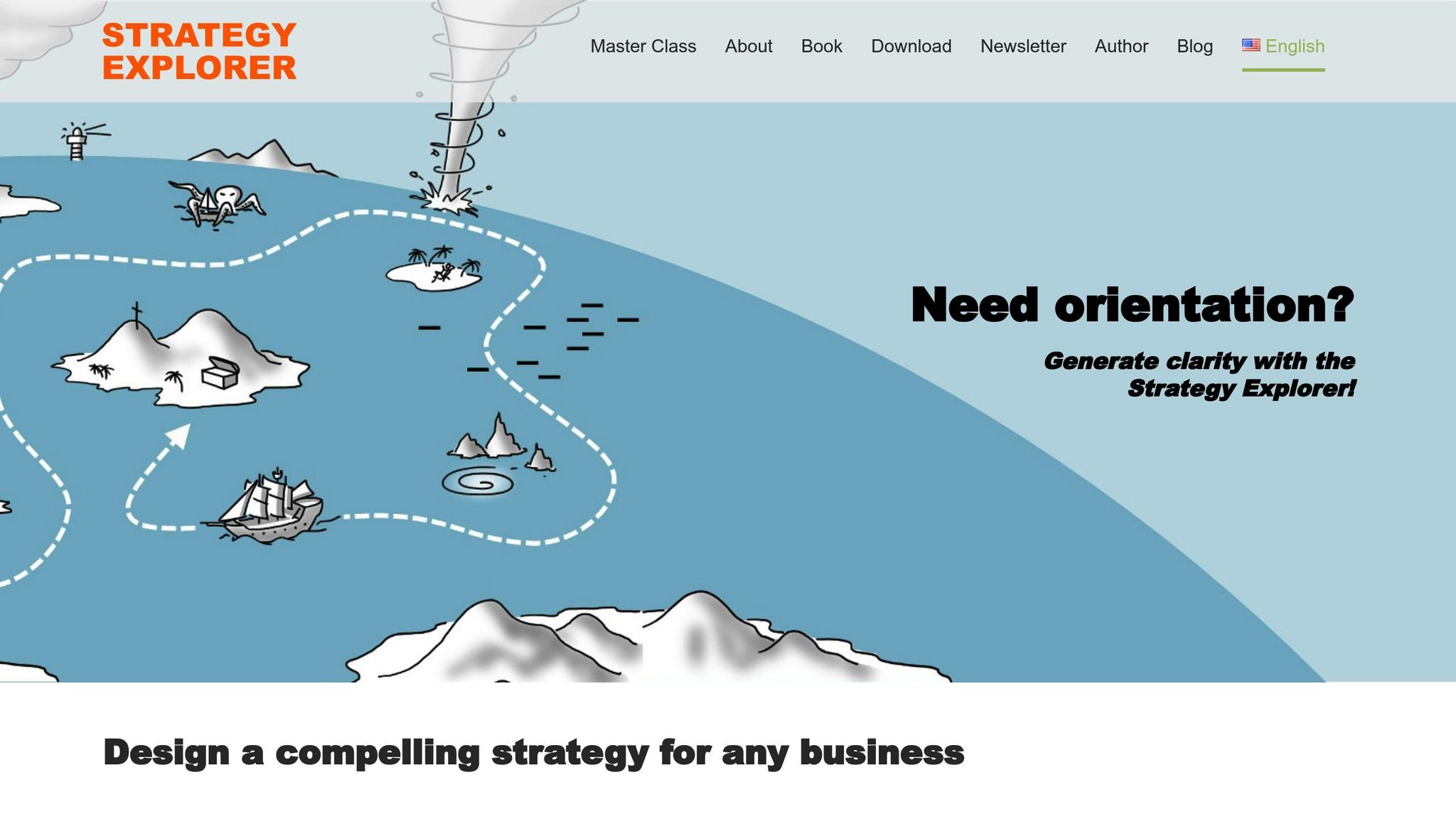
Remote strategy co-creation with the Strategy Explorer
Planning and Preparation
Running a successful virtual co-creation workshop isn’t something you can just wing – it takes deliberate planning and preparation. The effort you put in beforehand sets the stage for real collaboration, allowing participants to focus on what truly matters: working together to create meaningful outcomes.
Setting Goals and Understanding Participant Needs
Start by defining clear objectives for your workshop. What do you want to achieve? Is it solving a business problem, brainstorming a new product idea, or improving an existing service? These goals will influence every decision, from the agenda to the tools you use.
In the UAE, participants often come from a variety of cultural backgrounds and may have different levels of comfort with digital tools. A quick pre-workshop survey can help you understand their expectations, communication preferences, and any accessibility needs.
By addressing these needs early, you can ensure the workshop is both inclusive and accessible. For example, consider time zones for international attendees, language preferences, and cultural nuances that could impact engagement. Share the agenda, timing, and participation details well in advance so everyone knows what to expect. This preparation also simplifies your decision-making when it comes to choosing the right platform.
Selecting the Right Digital Platform
The platform you choose can make or break the workshop. Look for features like screen sharing, breakout rooms, and recording options – tools that encourage real collaboration. But don’t stop at functionality; the platform should also create an environment where participants can focus without distractions. For instance, the SureSpace Community App offers a streamlined, distraction-free experience designed for meaningful engagement.
When hosting workshops in the UAE, keep cultural sensitivities and local preferences in mind. Ensure the platform supports multiple languages, uses culturally appropriate messaging, and has an interface that feels intuitive for your audience. Strong privacy and security features are also crucial to protect participants’ contributions.
Before the big day, test the platform thoroughly. Practice with facilitators to spot potential technical issues and ensure everyone is confident using the interface. Once the platform is ready, shift your focus to scheduling – making sure it aligns with local customs.
Scheduling and Local Considerations
Timing is everything, especially when planning workshops in the UAE. The work week runs from Sunday to Thursday, so avoid scheduling sessions on Fridays or Saturdays unless you’re targeting weekend availability.
Be mindful of prayer times and include short breaks for religious observances. During Ramadan, when working hours are reduced, shorter sessions earlier in the day are more considerate, as they align with participants’ energy levels before iftar.
For workshops involving international attendees, use time zone tools to find overlapping windows that work for everyone. Include UTC references in your invitations to avoid confusion. Send out detailed invitations well in advance, outlining the agenda, technical requirements, and joining instructions.
In UAE business culture, building personal relationships is highly valued. Start your session with icebreakers or casual chats to help participants connect before diving into the collaborative work. This small step can make a big difference in fostering a positive and productive atmosphere.
Tools and Technologies You Need
The right technology stack can transform your workshop from just another video call into an engaging, collaborative experience. The tools you use play a big role in keeping participants engaged, generating quality ideas, and ensuring the workshop achieves its goals.
Overview of Key Tools
Once you’ve chosen your platform, it’s time to equip your workshop with tools designed to boost collaboration.
Video conferencing platforms are the cornerstone of any virtual workshop. They ensure smooth, real-time discussions with reliable audio and video quality to match the scale of your session.
Collaborative whiteboards encourage real-time brainstorming, letting participants create mind maps, sketch ideas, and organise thoughts together. File sharing and storage systems make it easy to access and share resources like PowerPoint presentations, Word documents, images, and PDFs. To keep communication flowing, messaging tools and technical support helpdesks are essential.
In the UAE, mobile compatibility is especially important, given the region’s mobile-first approach. Tools that work seamlessly across devices and operating systems are a must. Additionally, multilingual support – covering Arabic, English, and other languages – ensures inclusivity.
Comparing Tools for Virtual Collaboration
Different tools shine in different areas of collaboration. For instance, Miro and Mural are top picks for online whiteboarding, thanks to their flexible features and extensive templates. Stormboard is great for idea generation and prioritisation, while FigJam integrates well with Figma, making it a favourite for design teams.
For video conferencing, platforms like Butter and Toasty.ai bring interactive features tailored for workshops. Klaxoon is another standout, offering a comprehensive solution for running online workshops. The TruSTFood project, for example, used Revelation by FocusVision as its qualitative research platform.
If you’re hosting workshops in the UAE, remember to prioritise tools that comply with local data privacy laws and offer notification features. Running pilot tests with your target audience can also help identify usability issues before the workshop.
How SureSpace Community App Helps
Among the many tools available, the SureSpace Community App takes a unique approach by focusing on community-driven collaboration. Built with a distraction-free design, it addresses common workshop challenges and fosters genuine engagement.
Unlike traditional video conferencing tools, SureSpace minimises distractions, creating a space where participants can connect and collaborate meaningfully. Its content-sharing features allow participants to post ideas, share resources, and build on each other’s contributions – not just during the workshop but also before and after. This asynchronous approach encourages deeper reflection and more thoughtful input.
The app also supports real conversations, enabling ongoing dialogue that feels authentic. A curated news feed keeps participants updated on relevant topics, while integrated notifications ensure no important discussions or follow-ups are missed.
For UAE-based workshops, SureSpace’s focus on authentic interactions is particularly effective in managing diverse, multicultural groups. The platform aligns with the region’s emphasis on personal connections, a key aspect of Emirati business culture.
Additionally, its personal content management tools let participants organise their contributions, keep track of their involvement, and maintain a portfolio of their collaborative efforts. This is especially useful for organisations that run regular innovation sessions or long-term collaborative projects.
Before rolling out the app, it’s a good idea to test its features thoroughly to ensure everything runs smoothly during your workshop.
sbb-itb-a45ffa4
Building Engagement and Collaboration
Virtual workshops often lack the natural energy of in-person sessions, so it takes deliberate effort to keep everyone actively involved. The goal is to create a space where participants feel at ease contributing, no matter their technical skills or background. By building on careful preparation, you can ensure that every attendee has a meaningful role in the workshop.
Getting People to Participate
Getting people to actively engage in virtual workshops requires more than just sending out invitations. Breakout sessions, for example, can boost engagement by up to 30% in online settings. Splitting participants into smaller groups of 5–7 creates a more relaxed atmosphere, making it easier for everyone to share their thoughts.
Silence can also be a powerful tool. Instead of rushing to fill quiet moments, give participants time to think and respond. As Joseph Grenny, coauthor of Crucial Conversations, points out:
"Silence usually means people are holding back."
If the silence lingers, consider inviting a specific participant to speak. Becky Dawson, an experienced training instructor, stresses the importance of personal connection:
"I think making the connection with your participants is the first thing."
Even small gestures, like pronouncing names correctly, can make a big difference. She advises:
"A really basic one is getting people’s names right. I always check pronunciation when they arrive and write it down phonetically in front of me. It’s a small step, but it makes a huge difference in making people feel included."
Using random selection tools can help reduce the pressure to volunteer and make participation more enjoyable. Tammy Banks, an international training expert, suggests giving participants ownership of the session from the start:
"This session belongs to you. This is six hours of your life you’re never going to get back. We want to make it as valuable as possible for you. For that to happen, we need collaboration."
Incorporate tools like polls, virtual whiteboards, chat functions, and reaction buttons every 20 minutes to keep the energy high. As Dawson explains:
"Using the chat box is really good because then people who may be a bit quieter can access it. Using things like Slido, using the Whiteboard, is great because then people can feed in, and all share their thoughts and ideas on a topic – it doesn’t matter about taking turns."
Once engagement is on track, it’s important to tackle common challenges that might disrupt the workshop.
Solving Common Virtual Workshop Problems
One major obstacle in virtual workshops is digital fatigue. To counter this, schedule regular breaks and encourage participants to take time to stretch, hydrate, or step away from their screens.
Time zone differences can also complicate planning, especially in the UAE, where participants might join from across the Middle East, Asia, and Europe. Using time management tools can help ensure the schedule works for everyone, even if some attendees are logging in early or late.
Technology issues are another common hurdle. Always have a backup plan and alternative communication methods ready. If someone seems distracted, a private message can go a long way. Becky Dawson suggests:
"I would definitely direct message just to check in on them – do it in a positive way. Rather than calling them out, say something like, ‘Is everything okay? I’ve noticed that…’ By all means, step aside if you need to deal with something, but you’ve also highlighted that you are aware."
Facilitators should also manage group dynamics carefully. Make sure quieter participants have a chance to speak before more dominant voices take over. If discussions start to drift off-topic, Tammy Banks advises:
"That’s really interesting – let’s park that for now, and we’ll come back to it later."
Assigning separate roles for technical support and content facilitation can also help keep the session running smoothly.
Beyond logistical and technical challenges, managing diverse participants introduces its own set of considerations.
Working with Diverse Participants
In the UAE’s multicultural environment, running workshops with participants from different backgrounds requires a thoughtful approach. Awareness, empathy, and sensitivity to cultural nuances are key.
Language barriers can be a challenge, so give participants – especially those working in a second language – ample time to prepare. Clear communication protocols and pre-workshop meetups can help bridge gaps.
Recognise that communication styles vary. Some people prefer speaking up during discussions, while others feel more comfortable using chat features or visual tools. Offering multiple ways to participate ensures everyone can contribute.
Unconscious bias can also influence interactions. Be mindful of how cultural differences affect communication and work styles, and encourage equal participation. Assigning tasks should take into account both individual strengths and cultural practices. In the UAE, balancing respect for hierarchy with fostering collaboration is particularly important. Noel Moran, an expert training instructor, highlights the value of tapping into the experience of senior participants:
"What I find, depending on the training, is that you’ll have experts in the room who have been in a role for 20, 30 years. They might think they won’t gain much from the session, but when you draw on their experiences, that’s when they really start to come alive."
Cross-cultural training ahead of major workshops can help build better understanding among participants. Addressing microaggressions or unintentional offences promptly is also essential. Establish ground rules that promote respectful language and behaviour.
When cultural diversity is embraced as a strength, it can lead to more creative and effective solutions than those generated by homogenous groups.
Running Your Workshop and Follow-Up
With a solid plan in place, the next step is running your workshop with precision and ensuring participants stay engaged even after it ends. A well-executed virtual co-creation workshop hinges on how effectively you manage the session and maintain connections afterward.
How to Run a Virtual Co-Creation Workshop
Successfully hosting a virtual co-creation workshop involves careful preparation, active facilitation, and thoughtful follow-up. It’s a process that starts long before participants join and continues after they leave.
Pre-Session Setup
Begin by testing all your tech at least 30 minutes before the workshop starts. Check your internet connection, audio quality, screen sharing, and any collaborative tools you plan to use. Make sure co-facilitators are fully briefed on the agenda and comfortable navigating the virtual platform. Always have a backup plan ready for potential technical issues.
Send participants clear joining instructions, including alternative contact methods for troubleshooting any problems.
Opening the Session
Kick things off by setting clear expectations for timing, participation, and overall goals. Share key instructions visually through screen sharing or in the chat. Start with a concise explanation of the workshop’s purpose and outline the outcomes participants can expect. This is particularly important in virtual settings, where maintaining attention can be more challenging.
During the Workshop
Stay actively engaged throughout the session. Use multimedia elements and adapt based on real-time feedback. Incorporate breakout rooms for smaller group discussions to encourage collaboration and deeper conversations. Stick to the agenda, but remain flexible enough to extend valuable discussions. Establish clear guidelines for participation to keep everyone on the same page.
Wrap up the session by summarising key insights and next steps. This helps solidify the outcomes and ensures everyone leaves with a clear understanding of what comes next.
Wrapping Up
As you conclude, highlight the main takeaways and outline any follow-up actions. Collect immediate feedback and provide participants with access to post-workshop resources. For example, the TruSTFood project effectively executed co-creation workshops over 14 days, totalling three hours of participation, demonstrating the impact of a well-structured session.
Measuring Success and Getting Feedback
To determine whether your workshop achieved its goals, you’ll need to measure its effectiveness using both quantitative data and qualitative feedback. This process strengthens the workshop’s role in fostering ongoing engagement.
Key Metrics to Track
Track live attendance, engagement time, and poll participation during the session. Post-event, monitor on-demand views and, if relevant, measure lead generation or conversion rates. Analysing social media sentiment can also provide valuable insights into participant reactions.
Gathering Participant Feedback
Send out post-event surveys right away while the experience is still fresh. Keep the surveys concise and mobile-friendly, and send reminders to those who don’t respond. Including the first survey question directly in the email invitation can boost response rates by up to 22%. Use the Net Promoter Score (NPS) to gauge how likely attendees are to recommend your workshop, and ask specific questions about skills gained and confidence levels before and after the session. Combining numerical ratings with open-ended responses provides a complete picture of the participant experience.
Avoiding Common Survey Pitfalls
Be aware of biases like confirmation bias or sampling bias that could distort your results. Encourage honest feedback by assuring anonymity and ensuring your survey sample represents the broader participant group. Avoid leading or overly complex questions to maintain clarity.
Real Success Stories
Sales Market Fit achieved impressive results by focusing on effective measurement. Using WebinarNinja, Gavin Tye saw a 200% increase in qualified leads, with one webinar generating a lead valued between AED 73,000 and AED 92,000. Similarly, Relayer Benefits successfully transitioned to virtual presentations during the pandemic, maintaining and even growing their sales by carefully tracking outcomes.
Keeping the Community Active After the Workshop
The way you wrap up your workshop can set the tone for ongoing engagement. Sustained interaction helps turn one-time participants into active members of a thriving community.
Post-Session Actions
Share workshop highlights immediately through engaging recap videos, blog posts, and social media updates. Make session recordings available on-demand so participants can revisit key discussions and share them with others. Use social media to showcase testimonials and encourage continued conversations.
Building Long-Term Engagement
Host follow-up webinars to dive deeper into popular topics, showing your commitment to delivering ongoing value. Offer exclusive access to future events or content to build loyalty. Repurpose workshop materials into blog posts, short videos, or social media snippets to extend their reach.
Creating Intentional Digital Spaces
Platforms like SureSpace Community App are ideal for fostering meaningful interactions. Unlike traditional social media, SureSpace offers a distraction-free environment focused on genuine connections. Invite attendees to join dedicated spaces where they can share ideas, ask questions, and keep the momentum going. Keep these communities active with regular updates and discussions.
As Gwyn Wansbrough, author of The Quest newsletter, puts it:
Engagement is about the depth and quality of the experience. How your participants connect with you, the content, and each other. It’s what transforms that raw material into lasting insights.
The aim is to create spaces where participants feel encouraged to return, collaborate, and build on the workshop’s outcomes. A well-executed virtual co-creation workshop can lay the foundation for a thriving, engaged community that continues to grow long after the session ends.
Conclusion
Virtual co-creation workshops have become a powerful way to spark innovation and bring people together. With 58% of businesses worldwide experimenting with co-creation initiatives, organisations that excel in these virtual formats position themselves strongly in today’s digital-first landscape.
Key Points Summary
The success of virtual co-creation hinges on careful planning and thoughtful execution. Start by setting clear goals that shape the workshop’s structure, from the content you present to how you engage participants. Select platforms that are easy to use, offer essential collaboration tools, and test everything in advance to avoid technical hiccups.
Encouraging diverse input and active involvement is another cornerstone of effective workshops. Breakout rooms can be a great way to promote more focused discussions, allowing participants to share ideas in smaller, more interactive settings. Virtual formats also make it easier to include stakeholders from different locations, removing logistical barriers.
Equally important is what happens after the workshop. Collect feedback while the experience is still fresh, evaluate its success through both data and participant insights, and keep the momentum alive with follow-up activities and ongoing engagement.
Together, these strategies create a solid foundation for successful virtual co-creation.
Final Thoughts on Virtual Co-Creation Workshops
As highlighted throughout this guide, success in virtual co-creation comes down to intentional planning and creating digital spaces that inspire collaboration. Duncan Wardle, former Head of Innovation and Creativity at Disney, sums it up perfectly:
"Our own expertise is our biggest barrier to innovation."
Virtual co-creation workshops help overcome these barriers by connecting people from different backgrounds in focused, collaborative environments designed for creative problem-solving.
The numbers make the case clear: with 80-95% of new products failing in 2019, relying solely on internal perspectives is no longer an option. Co-creation workshops bring in the external insights needed to develop solutions that truly resonate.
Purpose-built platforms, like the SureSpace Community App, play a key role here. Unlike traditional social media, which can be full of distractions, these tools provide focused, distraction-free environments that encourage meaningful collaboration. They also help participants build relationships that last long after the workshop ends.
Organisations that embrace virtual collaboration are not just running workshops – they’re building communities that fuel innovation and long-term growth. By applying the strategies in this guide, you can redefine how your organisation connects, collaborates, and creates. The tools are in your hands – use them to shape a future driven by collective creativity.
FAQs
How can I create an inclusive and engaging virtual co-creation workshop for a multicultural audience in the UAE?
To design a virtual co-creation workshop that resonates with a multicultural audience in the UAE, it’s essential to prioritise understanding and respect for the varied cultural norms, traditions, and communication styles of your participants. This approach helps everyone feel acknowledged and appreciated.
Boost engagement by incorporating interactive elements that encourage collaboration and mutual respect. Using tools that support multiple languages and rely on clear, visually appealing materials can help overcome language barriers and ensure effective communication.
Additionally, plan your sessions with sensitivity to the UAE’s unique workweek and time zones. Acknowledge cultural holidays and traditions to create a welcoming atmosphere. These thoughtful adjustments will help build a sense of inclusion and keep participants actively engaged throughout the workshop.
How can I keep participants engaged and minimise digital fatigue during a virtual co-creation workshop?
To keep participants interested and minimise digital fatigue during virtual workshops, it’s essential to make the experience interactive and engaging. Incorporate tools like polls, breakout rooms, and live Q&A sessions to encourage active participation and create a collaborative atmosphere. Adding visual storytelling and crafting content specifically tailored to your audience can also go a long way in holding their attention.
Don’t forget to include short, regular breaks to give attendees a chance to recharge and prevent burnout. Keeping sessions concise and clearly outlining participation expectations can make the experience smoother and more effective. These simple strategies can help create a productive and enjoyable workshop for everyone.
How can I evaluate the success of a virtual co-creation workshop and keep participants engaged afterwards?
Measuring the success of a virtual co-creation workshop comes down to evaluating three key aspects: participant satisfaction, goal achievement, and engagement levels. To gather this data, use tools like feedback surveys, track participation rates, and collect qualitative insights directly from attendees. These metrics provide a clear picture of what went well and highlight areas that might need tweaking.
Keeping participants engaged after the workshop is just as important. Regular follow-ups can make a big difference – share key takeaways, encourage discussions, and build a sense of community. Offering post-session activities, like interactive content or collaborative projects, helps maintain interest and keeps the momentum alive. The secret? Consistent communication and meaningful interactions to ensure everyone stays involved over the long haul.

